



















Founder
World Sustainability Day: Small Swaps for a Cleaner Home and a Lighter Footprint


World Sustainability Day is here and a perfect moment to take stock and give our planet some extra love. It's an opportunity to think about long term well being over short term convenience.
Because let's be honest, we've only got one planet.
We're here to reassure you the "Sustainability" doesn’t have to start with something big. It can start at the kitchen sink. The swaps that are good for the planet are often good for your home too. Less plastic in your sink means less plastic going down the drain, into landfill and back into the world around us.
What is World Sustainability Day?
World Sustainability Day is a global moment to think about long-term wellbeing over short-term convenience, for people and the planet together. Its focus areas are conserving resources like water, soil and clean air; cutting carbon; and moving towards a circular economy, where materials stay in use longer and less ends up in landfill.
You don’t need to overhaul your life to take part. You just need to start somewhere.

Why the kitchen sink is the best place to start
Think about everything that passes through your sink in a week: plastic bottles of dish liquid, synthetic sponges that go grey in a fortnight, scrubbing brushes with plastic bristles. Most of it ends up in landfill, and much of it wears down into tiny plastic particles as you use it.
And then there’s the food itself.
What’s on our fruit and veg?
First, the most important bit: eating plenty of fresh fruit and vegetables is one of the best things you can do for your health. Nothing below changes that.
This month, Pesticide Action Australia released Australia’s Residue Report 2026. They bought 78 samples of 13 types of fresh fruit and vegetables from major supermarkets across five capital cities. They then sent them to an independent, NATA-accredited lab on the day of purchase.
Some samples carried residues above legal limits, including grapes at 5.5 times and strawberries at 9.5 times the maximum residue limit. The lab also detected organophosphates and neonicotinoids, two groups of pesticides that are largely banned in the EU and UK.
It’s a snapshot of 78 samples rather than a national average, but it’s a useful prompt to think about where our food comes from. In the report’s own survey, 80% of Australians said they’d rather have fewer pesticides on their produce, even if it meant a few more bugs.
It’s as much a sustainability story as a health one. Pesticides affect soil, waterways and pollinators long before they reach our kitchens.
Read the full Residue Report →

5 swaps that are better for the planet and your home
1. Swap liquid dish soap for a solid bar
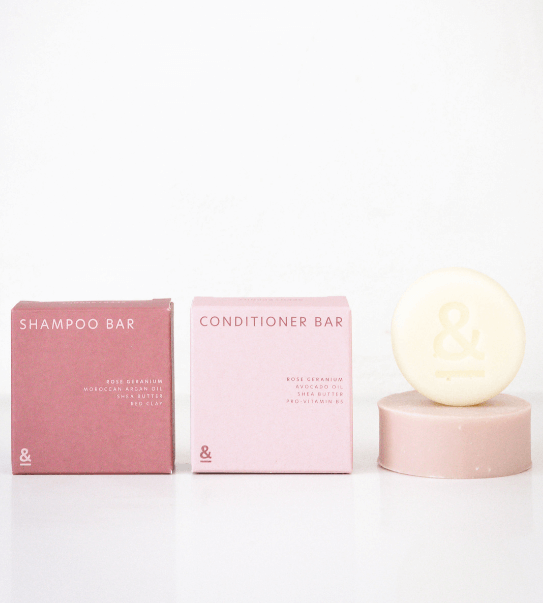
A solid dish bar does the same job as a bottle of dish liquid, without the plastic bottle. It’s concentrated, so a little goes a long way, and it lasts. Our Dish Soap Bars are part of our Good Design Award-winning solid bar range.
2. Wash your fruit and veg
Washing removes dirt, bacteria and some surface residue. It won’t remove everything, but it’s an easy habit worth keeping. Organic produce is the best way to reduce pesticide exposure, but if that’s not realistic every week, there are plenty of practical steps you can take. Read our guide to washing fruit and vegetables properly.
Our Fruit & Vegetable Wash Block is back after selling out. It’s a simple, plastic-free way to make washing produce part of your routine.
3. Swap plastic sponges for plant-based cleaning tools
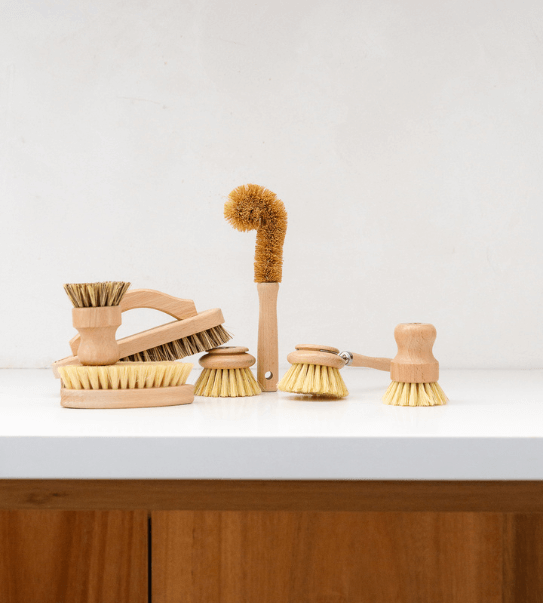
Compostable sponges, cellulose dish cloths and beechwood brushes clean just as well as their plastic cousins. When they’re done, they can be composted instead of sitting in landfill for decades. Explore the full Eco Dishwashing collection.
4. Make your bars last longer
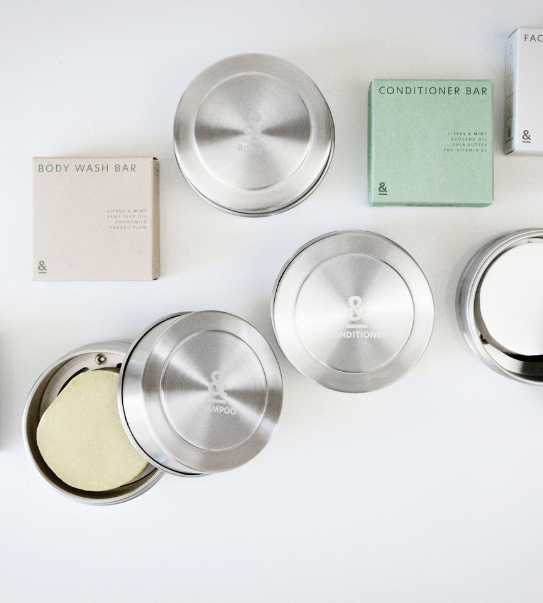
The secret to a long-lasting bar is letting it dry between uses. Our new Silicone Soap Holders drain water away so your bars don’t go soft. That means less waste and fewer replacements. Shop Soap Holders.
5. Replace the head, not the whole brush
Keep the handle and only swap the part that wears out. Our Dish Brush Replacement Heads keep your brush going for years. That’s the circular economy in action at your own sink.
Small acts, big impact
None of these swaps will change the world on its own, and that’s okay. What counts is what happens when thousands of us make them at once. One less plastic bottle a month in one home becomes a lot fewer across a whole community. Progress, not perfection.
A note from Sophie
“I started Seed & Sprout because I wanted sustainable living to feel easy, not like a chore. The kitchen sink is where so many of us start, and it’s where I started too. This World Sustainability Day, pick one swap. Just one. Then see how good it feels. Sophie x”
Frequently Asked Questions
Do solid dish soap bars work as well as dish liquid?
Yes. Wet your brush or sponge, rub it on the bar to build a lather, and wash as normal. They cut through grease well and last a long time when they’re left to dry between uses.
How do I make my cleaning bar last longer?
Keep it out of standing water. A draining soap holder lets the bar dry fully between uses, which stops it going soft and wearing down faster.
Are your sponges compostable?
Our Compostable Sponges with Scourer and Cellulose Sponge Dish Cloths are made from plant-based materials and can go in your home compost at the end of their life.


