



















Kitchen
Is Silicone a Safer Alternative to Plastic?


Our Philosophy: Progress Over Perfection
What We Know, What We’re Learning, and Why We Choose It
If you’ve been trying to reduce plastic in your home, chances are silicone has come up along the way and with it, a lot of mixed messages.
Some say it’s the answer to everything.
Others say it’s just “plastic in disguise”.
So what’s actually true?
At Seed & Sprout, we believe in sharing what we know honestly, without fear-mongering, and without over-simplifying complex topics. Here’s how we think about silicone, why we use it, and where we’re still learning.
Why So Many People Are Rethinking Plastic
Most of us still heavily rely on plastic in some way, and that’s okay. But as research around plastic waste, microplastics and chemical exposure has grown, many people have started looking for safer, longer-lasting alternatives, especially for food storage and cooking.
Silicone often comes up because it’s flexible, durable and designed to handle heat but it isn’t the same as plastic.

What Silicone Actually Is (In Plain English)
Silicone is a synthetic material made primarily from silica (sand). While it’s man-made, it behaves very differently to plastic, particularly when exposed to heat and cold.
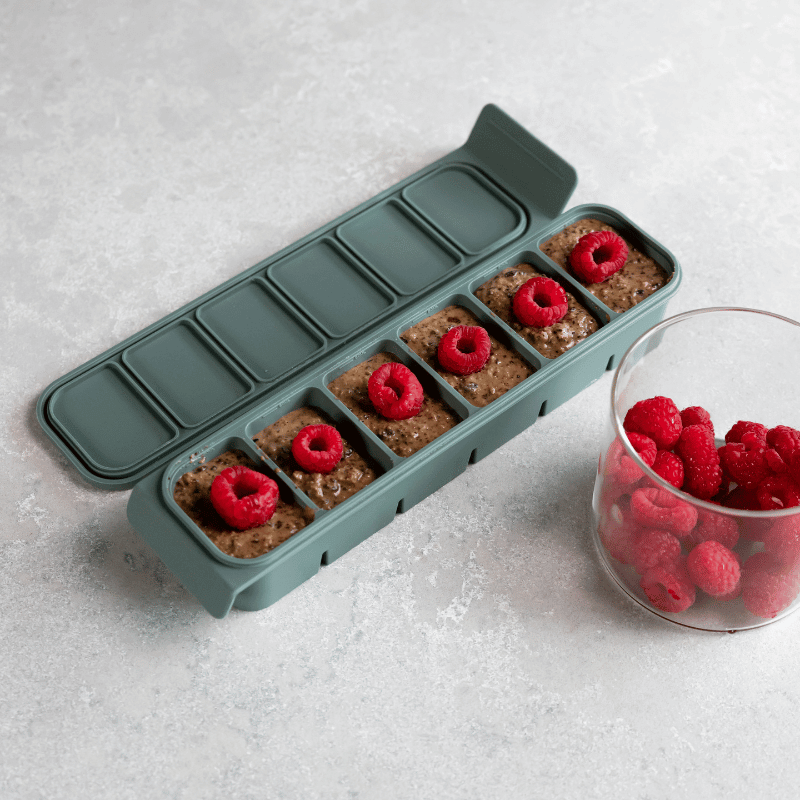
Unlike many plastics, silicone is highly stable across a wide temperature range, which is one of the reasons it’s commonly used for baking mats, freezer moulds and food storage.
That stability matters when food is involved.
Why We Use Silicone for Food Contact Products
We choose silicone for certain products because it’s designed to:
-
Handle extreme temperatures without breaking down
-
Be reused again and again, rather than replaced
-
Stay flexible and durable over time
-
Avoid the microplastic shedding associated with many plastics
When it comes to food contact, these qualities make a real difference but only when the silicone is high quality and properly certified.

Not All Silicone Is the Same (And Certifications Matter)
One of the most important things to understand about silicone is that quality varies, and standards have evolved over time.
FDA Certified Silicone
This is the baseline food-grade standard used in the US. Some of our earliest silicone products, including the original CrunchBox pot lids, meet this standard. At the time they were developed, this was the accepted benchmark.
LFGB Certified Silicone
LFGB is a stricter European standard for food contact materials and is widely considered more rigorous than FDA certification.
All of our current silicone products — except the original CrunchBox lids — are LFGB-certified. We’re in the process of re-confirming documentation across suppliers to ensure everything stays up to date.
Platinum-Cured Silicone
Platinum-cured silicone is currently considered the highest quality silicone available. It’s produced without peroxide curing agents and is often used where purity matters most.
We can confirm that our freezer mould range is made using platinum-cured silicone. Other silicone products are being reviewed product by product, and we won’t make this claim unless it’s verified.
Silicone vs Plastic: What We Feel Confident Saying
Based on current evidence, certifications and third-party testing, we feel confident saying:
-
Silicone is more stable than plastic at both high and low temperatures
-
Silicone does not shed microplastics in the same way plastic does
-
High-quality, certified silicone is designed to be used for years, not months
-
Standards like LFGB certification matter when choosing silicone products
What we don’t do is make absolute claims about long-term health guarantees. That kind of certainty just doesn’t exist yet and we think honesty builds more trust than bold promises.
What We’re Still Learning (And Why We’re Open About It)
Like many materials, silicone isn’t perfect and we're the first to admit that there’s still more to learn.
Long-term human studies are limited, and research continues to evolve. You may also have seen online discussions about things like the “pinch test”, where silicone turning white when stretched is said to indicate fillers.
At the moment:
-
There’s no clear scientific consensus supporting this as a reliable test
-
We’re actively investigating the theory with suppliers and independent experts
-
Early feedback suggests factors like silicone hardness may play a role, but this isn’t yet confirmed
If customers raise concerns, we’re upfront: we’re looking into it, we don’t yet have definitive answers, and we’ll share updates as we learn more.
What Happens When Silicone Reaches End of Life?
Silicone is designed to last but nothing lasts forever.
With just 12.4% of all waste in Australia being recycled, we want to give our customers options for end of life. You can send any of your damaged silicone products back to us as part of our in partnership with TerraCycle as part of our Silicone Take-Back Program.
While silicone recycling is complex and still developing globally, take-back programs help keep materials out of landfill and support more responsible systems.
We’re always looking for better solutions as recycling technology improves.
Our Philosophy: Progress Over Perfection
We don’t believe in perfect materials, we believe in making better choices over time.
That means:
-
Choosing the highest known quality available at the time
-
Updating products as standards evolve
-
Being honest about what we know and what we’re still learning
-
Putting longevity, safety and care at the centre of our decisions
Silicone isn’t a magic fix, but when chosen carefully, it can be a thoughtful alternative to plastic for many everyday uses.
If you ever have questions about the materials we use, we’re always happy to talk them through!!
Love The Seed & Sprout team
FAQ's
How long does silicone last? Silicone is incredibly durable and can last for many years with proper care. We only use long-lasting premium grade silicone in our products.
Can you put silicone cake moulds in the oven? Yes, you can use silicone to bake cakes, muffins and cupcakes. Our silicone moulds are oven-safe and can withstand temperatures up to 230c.
Can silicone go in the air fryer? All of our silicone products are air fryer safe but we recommend checking your specific silicone product's heat resistance.
Can silicone go in the microwave? Our silicone products are microwave safe and a great option to reheat leftovers.
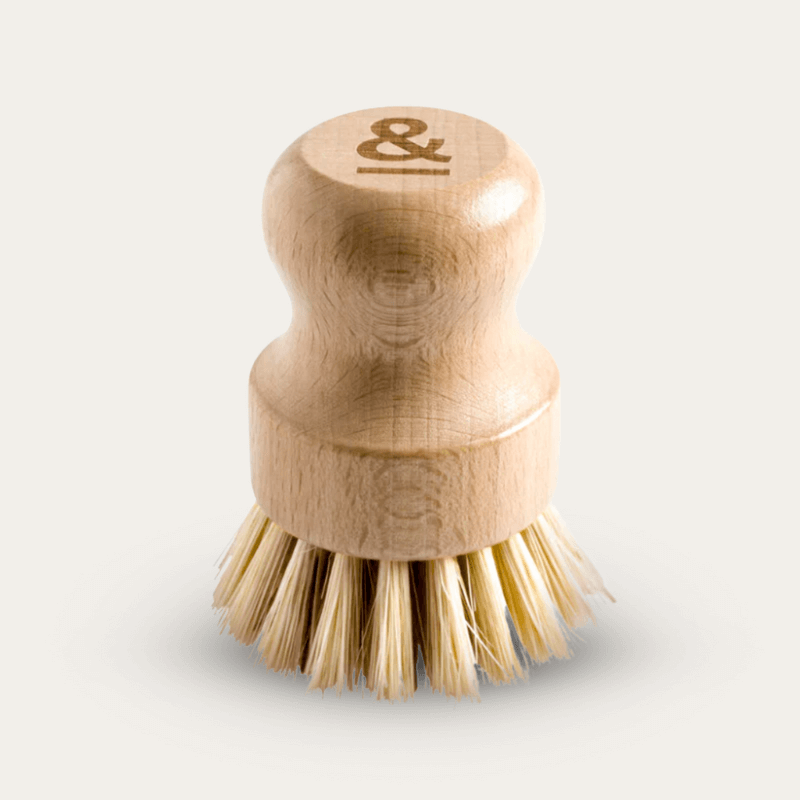
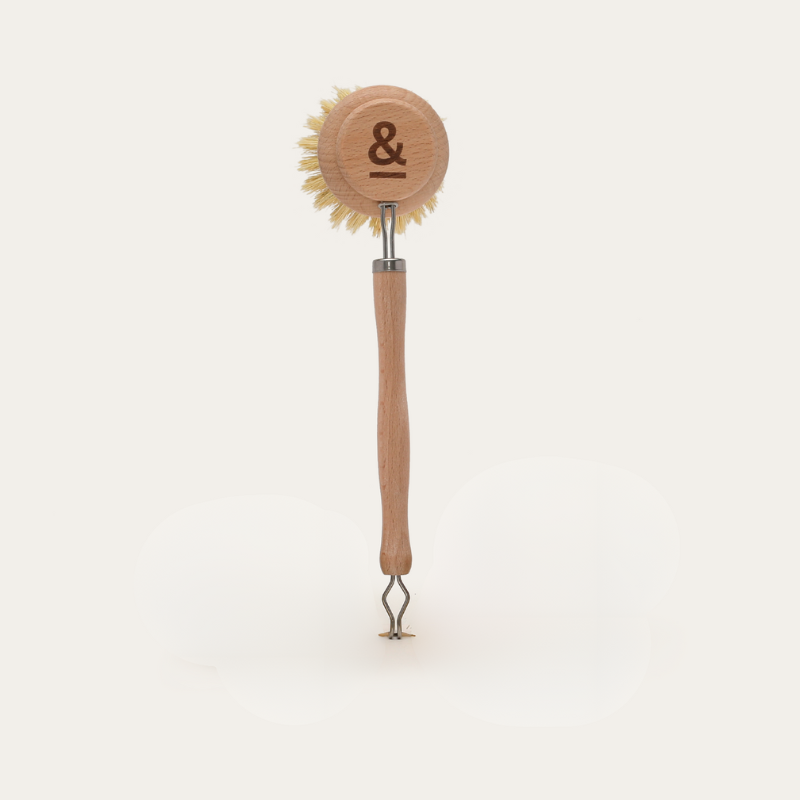
How to clean silicone? Our premium grade silicone is easy to clean with soap and water but it is also dishwasher safe. Our Pot Scrubber and Dish Bar make the best cleaning combo for silicone!
Updated 30/01/26
Shop our SILICONE RANGE today!