


SHOP EARLY ACCESS
GO GREEN THIS AFTERPAY DAY
Big savings await! Join us for an exclusive Afterpay Day*! (*Sale in conjunction with Afterpay only. Sale items apply for all customers and payment methods)
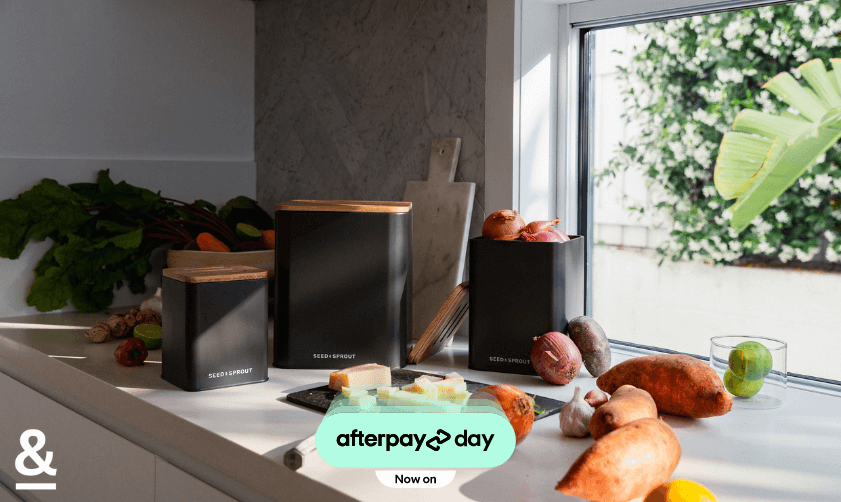
Big savings await! Join us for an exclusive Afterpay Day*! (*Sale in conjunction with Afterpay only. Sale items apply for all customers and payment methods)
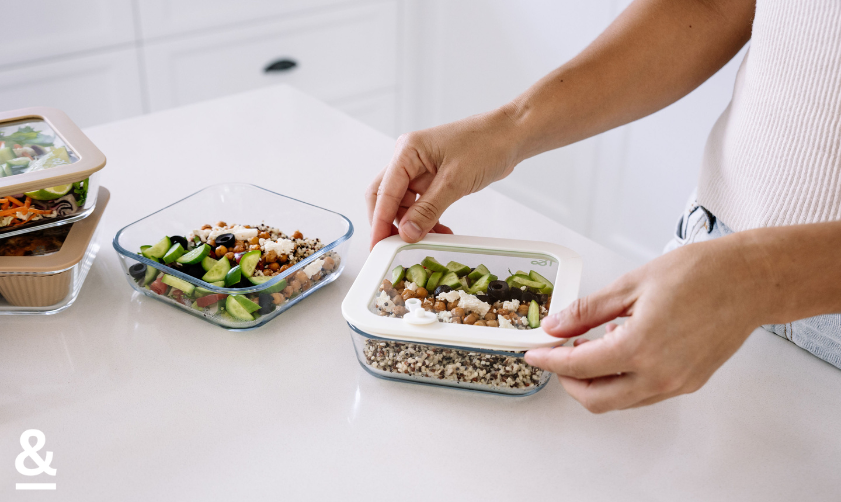
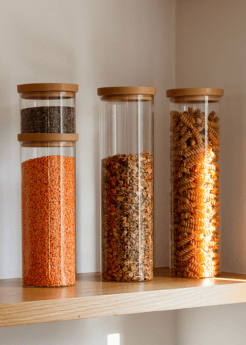
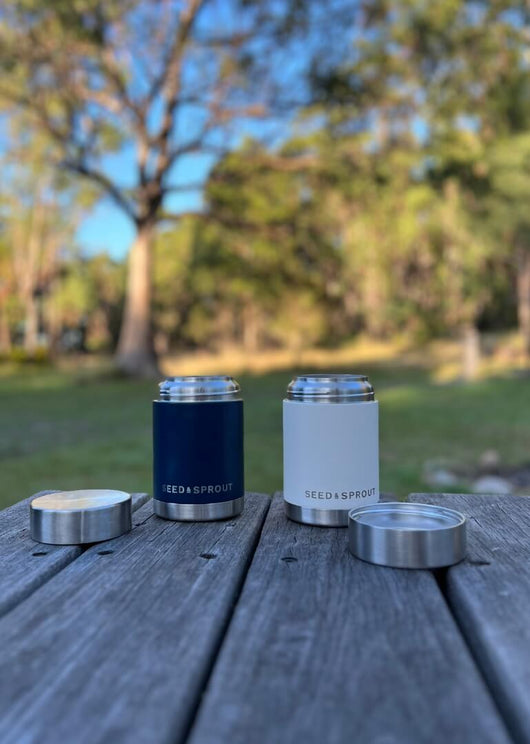
Maximise freshness and flavour with our eco-friendly glass containers. Perfect for meal prep, baking, storage, and on-the-go dining.

G'Day Mate! We are 100% owned by our Founder who is born & bred in Byron Bay, right near our HQ!

We aren't sustainable because it's trendy, we are sustainable because there is simply no other option!

Sustainably sourced & manufactured to the highest standards, with our North Star being the protection of both People & Planet

It’s pretty simple, absolutely no animals are harmed in the making of our products, ever.

Who run the world?! The majority of our team are women, something we are incredibly proud of!
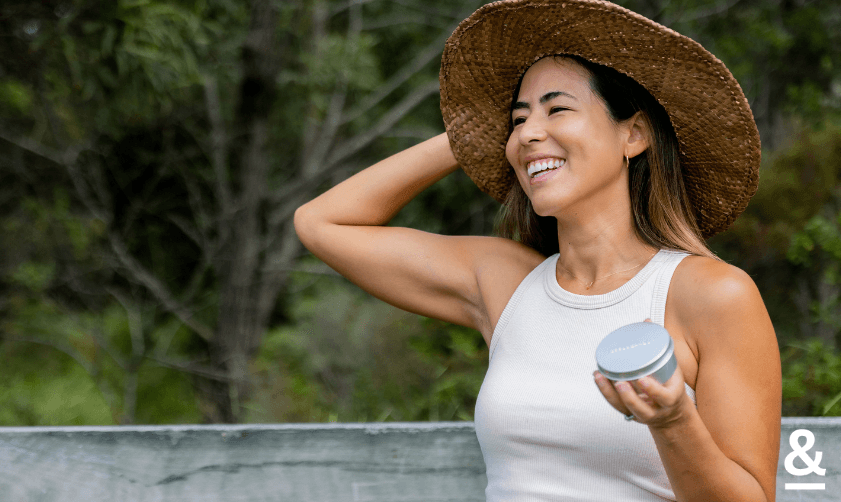
Happy Mother's Day to all who mother. Celebrate with love, kindness and sustainable, thoughtful gifts.
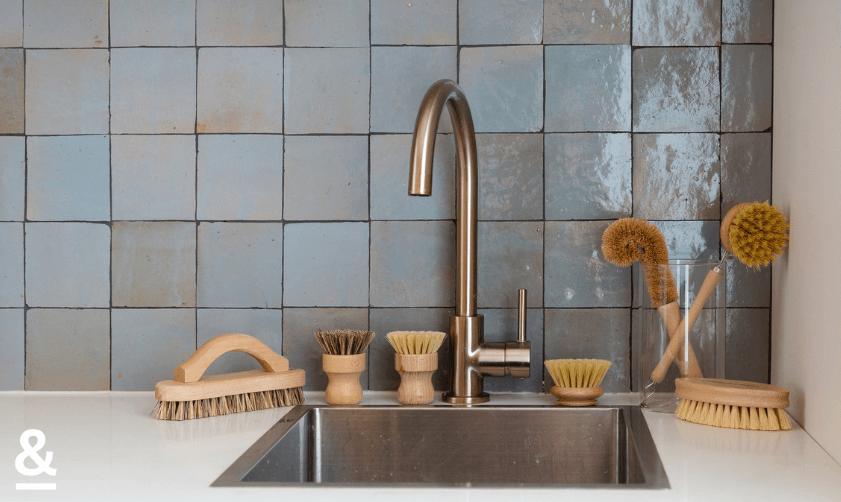
Prioritise the health of the planet and your family. Embrace an eco-friendly cleaning routine, for a happier, healthier home.
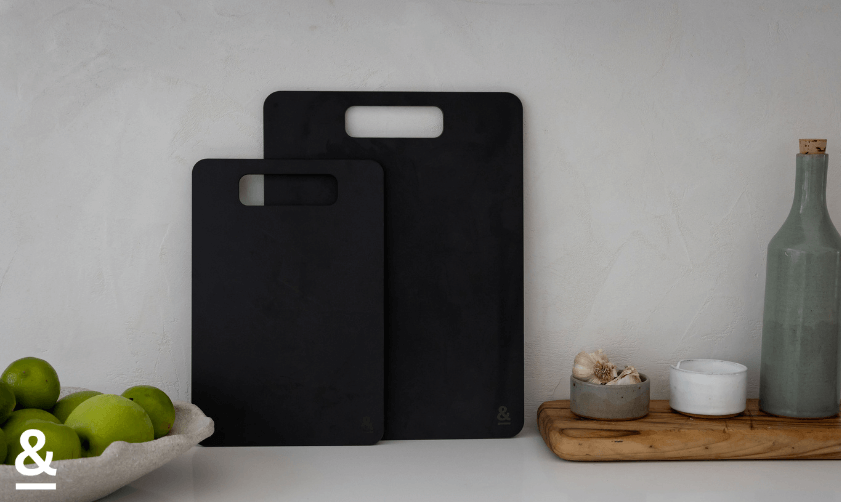
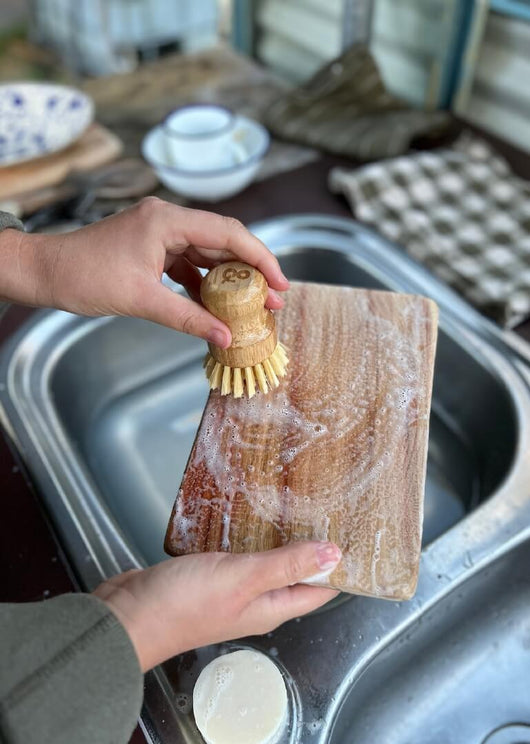
100% dishwasher safe. Won't crack, warp, split or mould. Lighter and more durable than a regular solid wood. Non-porous surface. Zero maintenance required.
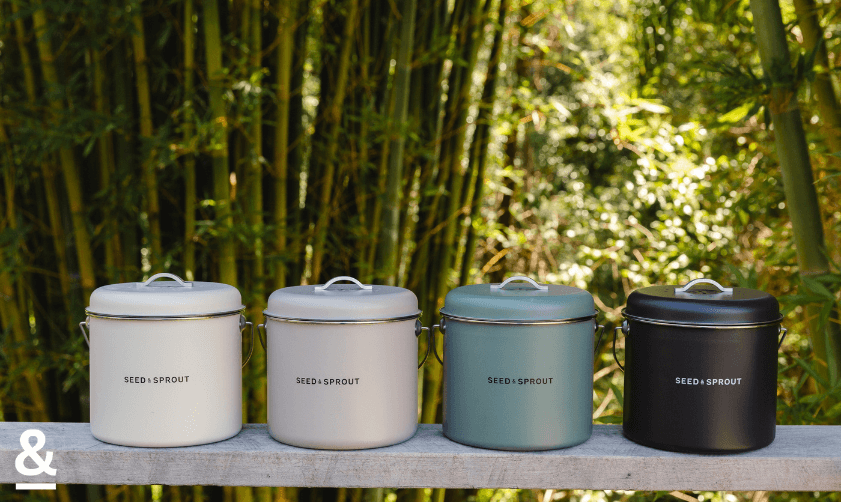
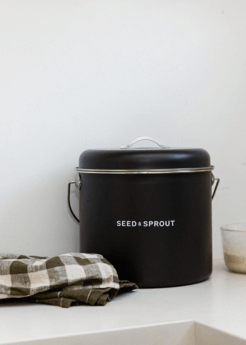
With a sealed lid to keep critters out, a charcoal filter to keep smells in and 4 sleek colours to choose from, no wonder this beauty keeps selling out!
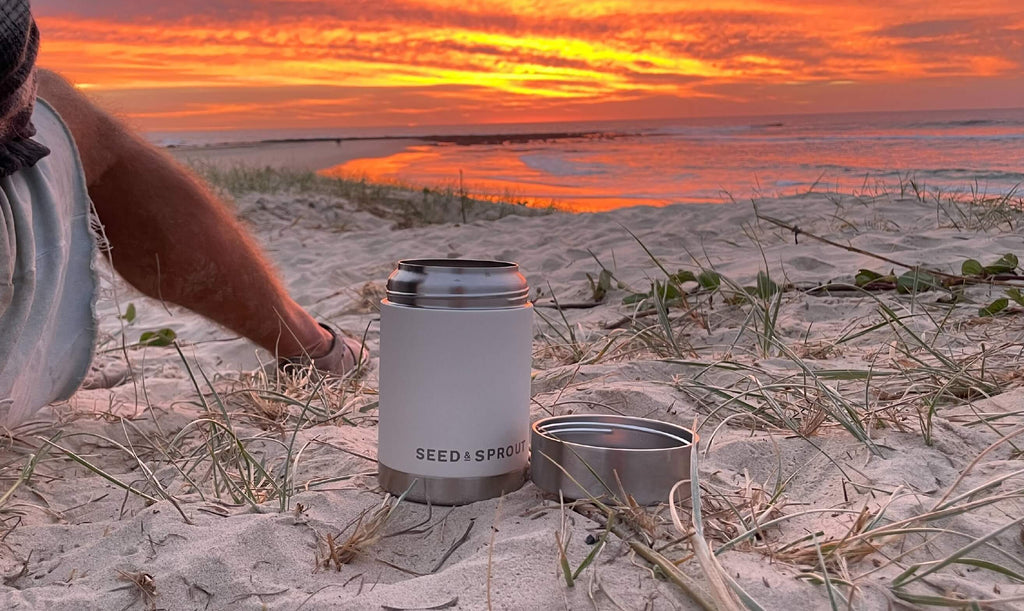
Our mission is to not only do less harm, but to do more good. We stand for equality & respect for both People & Planet. We are committed to a better future. Everything we do, we do with care. We continuously seek out ways that we can restore and protect the place we all call home.
CUSTOMER TESTIMONIALS
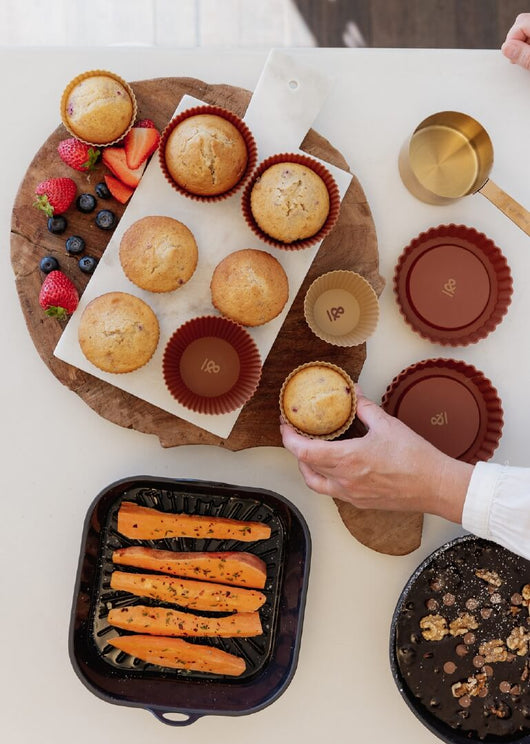
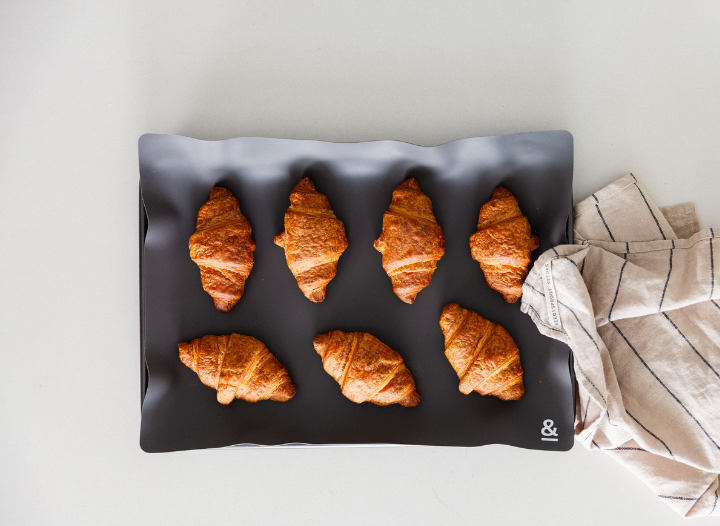
Perfectly fits my oven tray and wiped clean with ease. 100% non stick, better than actual baking paper. Can't recommend this product enough. No more waste in this household!

CUSTOMER TESTIMONIALS
THERE IS NO OTHER! You won’t find any other hair products in my bathroom. Love them! Thank you
CUSTOMER TESTIMONIALS
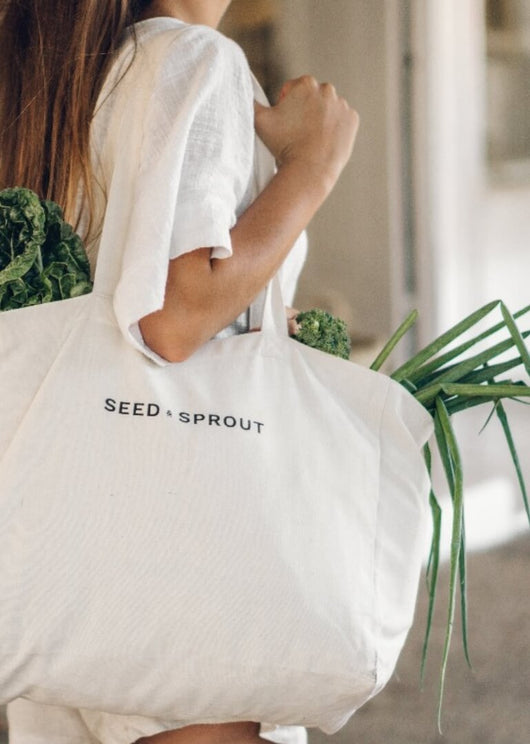
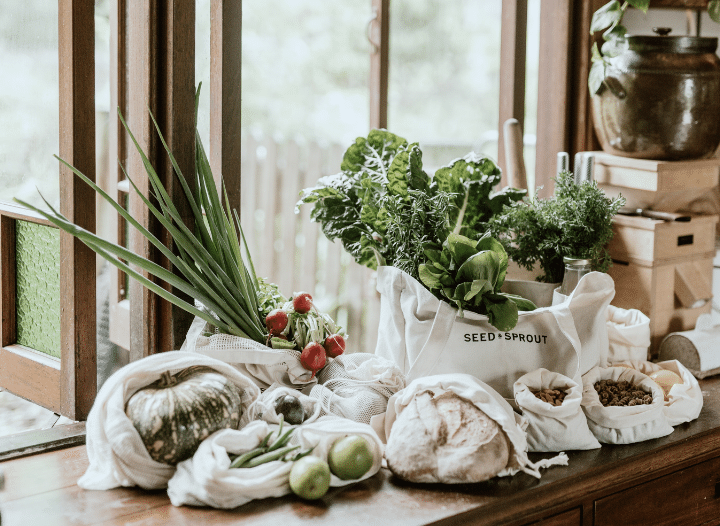
The bags are sturdy, stylish and functional. I use them for all grocery shopping trips, not just for my farmers market haul. I'll definitely be looking at buying other products in the range!
CUSTOMER TESTIMONIALS
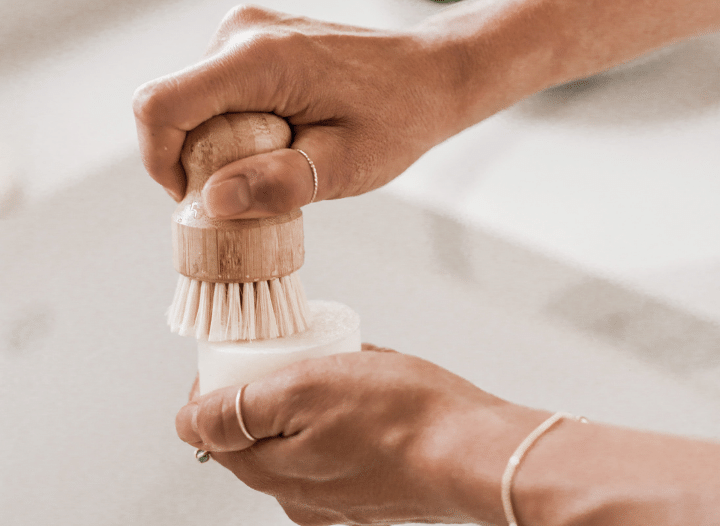
Love this eco-friendly alternative to liquid dish soap. It smells like a candle and suds up really well. I was very impressed and it's a switch I can easily keep!